
Disclaimer: As an Amazon Associate, we earn a small commission from qualifying purchases made through the affiliate links in this post at no extra cost to you.
Every year on Remember Me Thursday, the global animal welfare community shines a light on shelter animals still waiting for their forever families. 
If you are one of the many compassionate Angelenos who has recently adopted—or is planning to adopt from local shelters across Santa Monica, Downtown, or West LA—first off: thank you.
Bringing home a shelter dog is one of the most rewarding experiences imaginable. However, rescue dogs are also the group that benefits most from getting training right, right from the very beginning.
Drawing from our years of providing force-free dog training in Los Angeles, here is the exact advice we give to every new rescue parent who walks through our doors.
⏳ 1. Respect the Decompression Period (The 3-3-3 Rule)
The first two to three weeks in your home are what animal behaviorists call the decompression period.
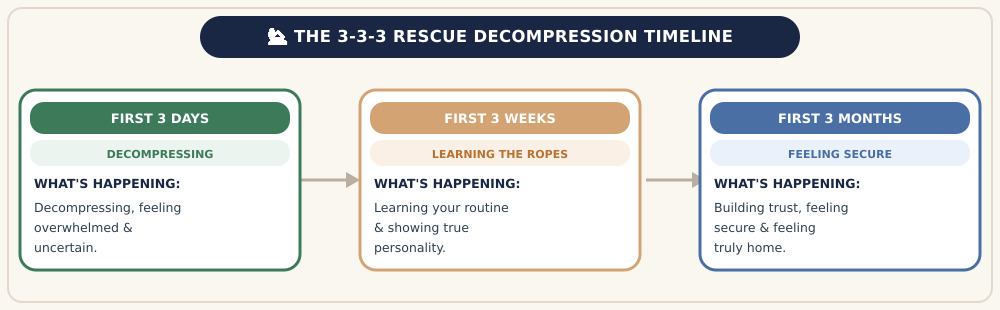
Your rescue dog is processing an overwhelming amount of change—unfamiliar smells, new ambient city noises, different humans, and a total shift in routine. Behavior during this initial window can be deceptive:
- Some dogs go into a state of temporary shutdown and seem “too good to be true” until they settle in.
- Others exhibit intense clinginess, pacing, or fear-based hyper-vigilance.
🛑 The Golden Rule of Decompression
Do not evaluate your dog’s true personality during the first 21 days. They aren’t misbehaving or acting out; their nervous system is simply trying to recalibrate. Avoid hosting dinner parties, taking them to crowded coffee shops on Abbot Kinney, or rushing them to busy local dog parks. Give them space, calm routine, and time to breathe.
🏛️ 2. Build Structure First — Not Corrections
Many rescue dogs come with unknown histories. You rarely know what past traumas, physical harshness, or sudden life disruptions shaped their behavior.
Because of this uncertainty, the first phase of training shouldn’t focus on “fixing” unwanted habits—it should focus on building predictability and trust.
- ⏰ Predictable Routines: Feed them at the exact same times, stick to consistent walk routes around your neighborhood, and keep bedtime predictable.
- 🚫 Zero Physical Corrections: Never use prong collars, choke chains, e-collars, or yelling on a rescue dog. Using physical punishment on a dog who doesn’t yet trust you destroys their confidence and frequently triggers defensive aggression.
Predictability equals safety for a rescue dog. When they realize their new world is consistent and safe, their stress hormones naturally begin to drop.
🔍 3. Recognize Fear-Based Behavior vs. “Bad” Behavior
The single biggest mistake new rescue owners in Los Angeles make is misinterpreting fear as “stubbornness” or “aggression.”
If your new rescue dog growls at strangers on a Mar Vista sidewalk, freezes at the vet, or barks at a delivery driver in a hat, they are almost certainly terrified.
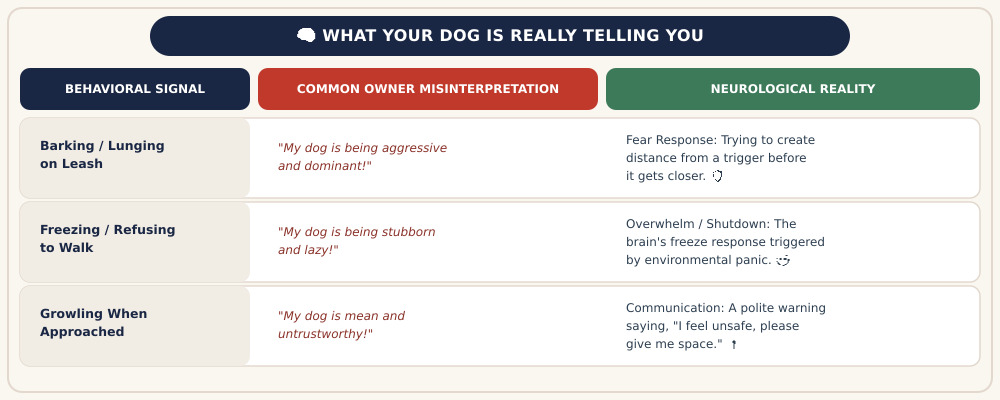
Understanding this distinction completely changes how you address the issue. Punishing a fear-based growl doesn’t cure the fear—it simply teaches the dog not to warn you before they feel forced to bite!
🐕 4. Socialization Still Matters — Even for Adult Rescues
If you adopted a young puppy, their critical developmental socialization window closes around 16 weeks, making structured positive exposure an urgent priority.
However, adult rescue dogs need socialization too!
For an adult dog, socialization doesn’t mean letting them greet every dog on a leash or running rampant at a crowded dog park. It means providing calm, controlled, positive exposure to urban environments at a distance where they feel entirely safe.
Always move at your dog’s pace, never force interactions, and liberally pair new sights and sounds with high-value treats!
🛍️ Essential Gear for Your Rescue Dog’s First Month
Setting your rescue dog up for success starts with tools that maximize safety and calm their nervous system:
- 🐕🦺 Escape-Proof Y-Harness: Rescue dogs can startle and back out of standard collars easily. An ergonomic, padded option like the Ruffwear Front Range Dog Harness provides secure, comfortable control without putting pressure on their neck.
- 🧠 Lick Mats for Decompression: Licking releases endorphins that naturally lower a dog’s heart rate. Spreading peanut butter on a Lickimat Classic Dog Slow Feeder is an exceptional way to help them settle into their crate or safe area.
- 🌿 Canine Pheromone Diffuser: Plugging in an ADAPTIL Calm Home Diffuser in their primary sleeping area mimics natural appeasing pheromones to ease transitional anxiety.
🎓 When to Bring in Professional LA Trainers
We always recommend having a certified professional evaluate your rescue dog early—even if things seem to be going smoothly.
An experienced LA dog behaviorist will:
- Help you differentiate between temporary decompression behavior and an underlying behavioral issue.
- Design a customized roadmap built specifically for your dog’s temperament and history.
- Catch subtle fear or leash reactivity signals before they turn into ingrained habits.
- Give you clear handling confidence, removing the frustrating guesswork from training.
This specialized work is the exact foundation of our Dog Boarding School and Educational Dog Daycare programs. We provide structured, force-free support designed specifically for dogs coming from shelters or uncertain backgrounds.
🗓️ You Didn’t Just Adopt a Dog — You Adopted a Relationship
Every rescue dog we have worked with over the past 35+ years has been capable of incredible transformation when given the right support, patience, and science-based guidance.
The dog in front of you during week one is not the dog you will have six months from now if you invest in a positive, structured foundation today.
If you have recently adopted a rescue dog—or are preparing to welcome one home soon—let’s build a plan together.
👉 Book your free 15-minute Discovery Call today or call our West LA team directly at 📞 (310) 558-9037 to get started!